
Close Menu
  • News
      • Appointments
      • EV Powertrain
      • Emissions
      • Engine Components
      • Electronics
      • Facility Developments
      • Forced Induction
      • Fuel Cell Technologies
      • Fuels & Lubricants
      • Heavy-duty & Diesel Engine Technologies
      • Hybrid Powertrain Technologies
      • Industry Forecasting
      • Legislation
      • Materials & Surface Treatment
      • Metallurgy
      • Mild-hybrid & 48V Technologies
      • New powertrain
      • Partnerships, Investments & Acquisitions
      • Quality Control
      • Prototyping
      • Sustainable fuels
      • Testing
      • Traction Control Systems
      • Transmissions Technologies
      • Webinars
  • Features
  • Online Magazines
    • April 2026
    • January 2026
    • September 2025
    • June 2025
    • March 2025
    • January 2025
    • September 2024
    • Subscribe to Automotive Powertrain Technology
    • Transmission Technology International
    • Subscribe to Transmission Technology
  • Opinion
  • Supplier Spotlight
  • Webinars
Facebook X (Twitter) Instagram
  • Automotive Interiors
  • Automotive Testing
  • Autonomous Vehicle
  • Professional Motorsport
  • Tire Technology
  • Media Pack
LinkedIn
Subscribe
Automotive Powertrain Technology International
  • News
      • Appointments
      • EV Powertrain
      • Emissions
      • Engine Components
      • Electronics
      • Facility Developments
      • Forced Induction
      • Fuel Cell Technologies
      • Fuels & Lubricants
      • Heavy-duty & Diesel Engine Technologies
      • Hybrid Powertrain Technologies
      • Industry Forecasting
      • Legislation
      • Materials & Surface Treatment
      • Metallurgy
      • Mild-hybrid & 48V Technologies
      • New powertrain
      • Partnerships, Investments & Acquisitions
      • Quality Control
      • Prototyping
      • Sustainable fuels
      • Testing
      • Traction Control Systems
      • Transmissions Technologies
      • Webinars
  • Features
  • Online Magazines
    1. April 2026
    2. January 2026
    3. September 2025
    4. June 2025
    5. March 2025
    6. January 2025
    7. September 2024
    8. Subscribe to Automotive Powertrain Technology
    9. Transmission Technology International
    10. Subscribe to Transmission Technology
    Featured

    In this Issue – April 2026

    By Web TeamMay 1, 2026
    Recent

    In this Issue – April 2026

    May 1, 2026

    In this Issue – January 2026

    December 3, 2025

    In this Issue – September 2025

    September 25, 2025
  • Opinion
  • Supplier Spotlight
  • Webinars
LinkedIn Facebook
Subscribe
Automotive Powertrain Technology International
Testing

Sakor provides cam phaser test stand to powertrain provider

Lawrence ButcherBy Lawrence ButcherJuly 15, 20202 Mins Read
LinkedIn Twitter Facebook Email
Share
LinkedIn Twitter Facebook Email

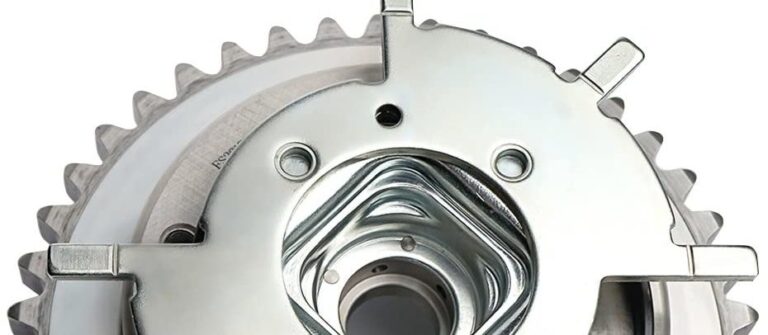
Test bench and dyno supplier Sakor has announced that it recently provided a performance test stand for validating designs for new hydraulic variable timing cam phaser systems to a major international provider of powertrain components.

The company said the cam phaser test stand will be used for research and development on engine timing designs that improve engine fuel efficiency. Simulating an engine using an electric dynamometer is cleaner and safer than using an actual internal combustion engine and reduces the costs and time needed for cam phaser design testing.

Sakor explained it custom built the system for use with cam phasers driven by oil pressure. The test system simulates different engine designs, generating representative cam torque pulses using two high-speed low inertia AccuDyne AC Dynamometers coupled with a DynoLab data acquisition and control system. In operation, one dynamometer drives the timing chain as if it were the engine, while the other simulates cam shaft torque pulses.

Parts for testing are mounted in a thermal chamber that can be run at temperatures ranging from -40°C to 150°C. This enables engineers to simulate temperatures encountered by those starting engines in all climates. The system controls oil pressure to advance or retard timing of the cam shaft relative to the engine.

The system features a 60KW dynamometer that can operate at up to 8,500rpm to simulate the engine. A 235kW ultra-low inertia dynamometer is used to simulate the high frequency torque pulses found on a cam shaft.

Share. LinkedIn Twitter Facebook Email

Related Posts

Audi A2 e-tron racks up the miles during validation testing

May 20, 2026

Mayr Power Transmission to highlight advanced drivetrain testing solutions at Automotive Testing Expo Europe 2026

May 15, 2026

New chassis and powertrain event to launch at Vehicle Tech Week North America 2026

May 6, 2026
LATEST NEWS

Ferrari unveils all-electric Luce

May 29, 2026

Scania under-cab battery module and Megawatt Charging System available for order

May 29, 2026

Maserati Nettuno engine transformed into 480kW hydrogen race unit

May 29, 2026

Receive breaking stories and features in your inbox each week, for free


Enter your email address:


Supplier Spotlights
  • GFM GmbH
Featured Listings
  • There are currently no listings to show.
Getting in Touch
  • Contact Us
  • Media Pack
  • Meet the Editors
  • Free Weekly E-Newsletter
Our Social Channels
  • LinkedIn
Related UKi Topics
  • Automotive Interiors
  • Automotive Testing
  • Autonomous Vehicle
  • Professional Motorsport
  • Tire Technology
  • Media Pack
© 2026 UKi Media & Events a division of UKIP Media & Events Ltd
  • Terms and Conditions
  • Privacy Policy
  • Cookie Policy
  • Notice and Takedown Policy

Type above and press Enter to search. Press Esc to cancel.