

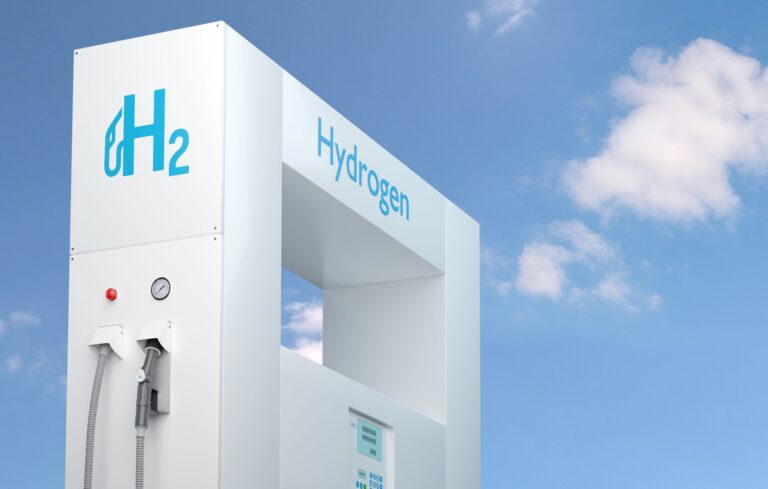
Hyundai Motor and the Georgia Institute of Technology have expanded their collaboration to advance hydrogen-powered transportation, deepen applied research and education and accelerate the use of zero-emissions vehicles in Georgia, bringing hydrogen fuel cell vehicles and fueling infrastructure to campus.
“Hyundai Motor Group is proud to strengthen our collaboration with Georgia Tech as we work together to accelerate the future of clean mobility. Georgia Tech’s leadership in innovation and its commitment to developing the next generation of problem-solvers make it a natural partner in advancing technologies. By combining the university’s excellent research with Hyundai’s global experience, we are creating the foundation for real-world solutions that will help drive the energy transition and inspire future mobility leaders,” said Ken Ramírez, executive vice president and head of global energy and hydrogen business at Hyundai Motor Group.
“It’s very fulfilling to donate a handful of our Nexo fuel cell SUVs as part of our expanding relationship with Georgia Tech. Hydrogen-powered Nexo fuel cell vehicles will immediately serve to expand the clean mobility footprint on campus while providing real-world experiences with the cutting edge of zero-emissions transportation technology,” added Randy Parker, president and CEO, Hyundai Motor North America.
The partnership includes the donation of four Hyundai Nexo fuel cell electric SUVs by Hyundai Motor North America and a hydrogen electrolyzer project, which will be installed at Georgia Tech’s North Avenue Research Area (NARA), positioning Georgia Tech as one of the most visible real-world testbeds for hydrogen mobility in the US.
“Georgia Tech has a long history of working with industry to move breakthrough technologies from the lab into the real world. By expanding our work with Hyundai, we’re advancing hydrogen research, reducing emissions on our campus, and strengthening Georgia’s role in the future of clean mobility,” commented Ángel Cabrera, president of the Georgia Institute of Technology.
The vehicles and infrastructure will support campus operations and interdisciplinary research. Key areas of focus include exploring hydrogen-based systems and mobility solutions, assessing the environmental benefits of hydrogen technologies, understanding the integration of hydrogen fuel cells into current infrastructure and evaluating the regulatory and social implications of hydrogen adoption.
Insights gathered from this initiative will inform and accelerate the widespread use of hydrogen technology in campuses, fleets, cities and freight corridors.
In related news, Evonik opens lab to develop EV motor materials for Asia-Pacific market