

Close Menu
  • News
      • Appointments
      • EV Powertrain
      • Emissions
      • Engine Components
      • Electronics
      • Facility Developments
      • Forced Induction
      • Fuel Cell Technologies
      • Fuels & Lubricants
      • Heavy-duty & Diesel Engine Technologies
      • Hybrid Powertrain Technologies
      • Industry Forecasting
      • Legislation
      • Materials & Surface Treatment
      • Metallurgy
      • Mild-hybrid & 48V Technologies
      • New powertrain
      • Partnerships, Investments & Acquisitions
      • Quality Control
      • Prototyping
      • Sustainable fuels
      • Testing
      • Traction Control Systems
      • Transmissions Technologies
      • Webinars
  • Features
  • Online Magazines
    • April 2026
    • January 2026
    • September 2025
    • June 2025
    • March 2025
    • January 2025
    • September 2024
    • Subscribe to Automotive Powertrain Technology
    • Transmission Technology International
    • Subscribe to Transmission Technology
  • Opinion
  • Supplier Spotlight
  • Webinars
Facebook X (Twitter) Instagram
  • Automotive Interiors
  • Automotive Testing
  • Autonomous Vehicle
  • Professional Motorsport
  • Tire Technology
  • Media Pack
LinkedIn
Subscribe
Automotive Powertrain Technology International
  • News
      • Appointments
      • EV Powertrain
      • Emissions
      • Engine Components
      • Electronics
      • Facility Developments
      • Forced Induction
      • Fuel Cell Technologies
      • Fuels & Lubricants
      • Heavy-duty & Diesel Engine Technologies
      • Hybrid Powertrain Technologies
      • Industry Forecasting
      • Legislation
      • Materials & Surface Treatment
      • Metallurgy
      • Mild-hybrid & 48V Technologies
      • New powertrain
      • Partnerships, Investments & Acquisitions
      • Quality Control
      • Prototyping
      • Sustainable fuels
      • Testing
      • Traction Control Systems
      • Transmissions Technologies
      • Webinars
  • Features
  • Online Magazines
    1. April 2026
    2. January 2026
    3. September 2025
    4. June 2025
    5. March 2025
    6. January 2025
    7. September 2024
    8. Subscribe to Automotive Powertrain Technology
    9. Transmission Technology International
    10. Subscribe to Transmission Technology
    Featured

    In this Issue – April 2026

    By Web TeamMay 1, 2026
    Recent

    In this Issue – April 2026

    May 1, 2026

    In this Issue – January 2026

    December 3, 2025

    In this Issue – September 2025

    September 25, 2025
  • Opinion
  • Supplier Spotlight
  • Webinars
LinkedIn Facebook
Subscribe
Automotive Powertrain Technology International
Battery technology

Nio and Monolith collaborate on AI-driven anomaly detection for EV batteries

Adithya GopalBy Adithya GopalOctober 2, 20242 Mins Read
LinkedIn Twitter Facebook Email
Nio and Monolith collaborate on AI-driven anomaly detection for EV batteries
Share
LinkedIn Twitter Facebook Email

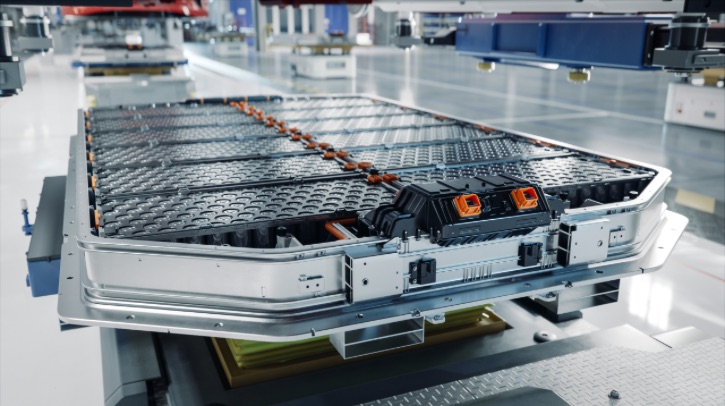
Electric vehicle brand Nio has announced it is to collaborate with Monolith on AI-driven anomaly detection in its electric vehicle batteries.

Nio’s battery swap technology, which offers new insights into the real-world, daily use of batteries, will now use Monolith’s Anomaly Detector AI software to monitor performance from data generated in the field. The insights from this will help build a basis for comparing test-bench results and will be integrated into further verification activities.

Frank Kindermann, head of battery system Europe at Nio, said, “Nio’s partnership with Monolith exemplifies our commitment to delivering a premium user experience; 98% of our users across the five key European markets opt for Battery as a Service (BaaS). BaaS allows Nio users in Europe to flexibly charge or swap their batteries as needed, enhancing convenience and cost efficiency.”

Thanks to Monolith’s self-learning algorithm, battery test data anomalies can now be found rapidly and more efficiently by automating the inspection of raw test data to look for potential errors.

Dr. Richard Ahlfeld, CEO and founder of Monolith, added, “Monolith’s deep-learning algorithms allow for automatic detection of battery issues, such as spontaneous discharge and thermal runaway, making it easier to analyze complex real-world data quickly. This capability not only saves time and resources but also enhances battery safety.”

Additionally, the Monolith AI platform includes advanced algorithms to reduce the amount of physical testing and simulations required to develop products. Using limited engineering test data, the AI software makes instant predictions and enables engineers to identify areas where optimization and development are required.

Share. LinkedIn Twitter Facebook Email

Related Posts

Ferrari unveils all-electric Luce

May 29, 2026

Scania under-cab battery module and Megawatt Charging System available for order

May 29, 2026

Mercedes‑AMG presents all-electric GT 4‑Door Coupe

May 21, 2026
LATEST NEWS

Ferrari unveils all-electric Luce

May 29, 2026

Scania under-cab battery module and Megawatt Charging System available for order

May 29, 2026

Maserati Nettuno engine transformed into 480kW hydrogen race unit

May 29, 2026

Receive breaking stories and features in your inbox each week, for free


Enter your email address:


Supplier Spotlights
  • Robertshaw® Controls Company
Featured Listings
  • There are currently no listings to show.
Getting in Touch
  • Contact Us
  • Media Pack
  • Meet the Editors
  • Free Weekly E-Newsletter
Our Social Channels
  • LinkedIn
Related UKi Topics
  • Automotive Interiors
  • Automotive Testing
  • Autonomous Vehicle
  • Professional Motorsport
  • Tire Technology
  • Media Pack
© 2026 UKi Media & Events a division of UKIP Media & Events Ltd
  • Terms and Conditions
  • Privacy Policy
  • Cookie Policy
  • Notice and Takedown Policy

Type above and press Enter to search. Press Esc to cancel.