

Close Menu
  • News
      • Appointments
      • EV Powertrain
      • Emissions
      • Engine Components
      • Electronics
      • Facility Developments
      • Forced Induction
      • Fuel Cell Technologies
      • Fuels & Lubricants
      • Heavy-duty & Diesel Engine Technologies
      • Hybrid Powertrain Technologies
      • Industry Forecasting
      • Legislation
      • Materials & Surface Treatment
      • Metallurgy
      • Mild-hybrid & 48V Technologies
      • New powertrain
      • Partnerships, Investments & Acquisitions
      • Quality Control
      • Prototyping
      • Sustainable fuels
      • Testing
      • Traction Control Systems
      • Transmissions Technologies
      • Webinars
  • Features
  • Online Magazines
    • April 2026
    • January 2026
    • September 2025
    • June 2025
    • March 2025
    • January 2025
    • September 2024
    • Subscribe to Automotive Powertrain Technology
    • Transmission Technology International
    • Subscribe to Transmission Technology
  • Opinion
  • Events
  • Supplier Spotlight
  • Webinars
Facebook X (Twitter) Instagram
  • Automotive Interiors
  • Automotive Testing
  • Autonomous Vehicle
  • Professional Motorsport
  • Tire Technology
  • Media Pack
LinkedIn
Subscribe
Automotive Powertrain Technology International
  • News
      • Appointments
      • EV Powertrain
      • Emissions
      • Engine Components
      • Electronics
      • Facility Developments
      • Forced Induction
      • Fuel Cell Technologies
      • Fuels & Lubricants
      • Heavy-duty & Diesel Engine Technologies
      • Hybrid Powertrain Technologies
      • Industry Forecasting
      • Legislation
      • Materials & Surface Treatment
      • Metallurgy
      • Mild-hybrid & 48V Technologies
      • New powertrain
      • Partnerships, Investments & Acquisitions
      • Quality Control
      • Prototyping
      • Sustainable fuels
      • Testing
      • Traction Control Systems
      • Transmissions Technologies
      • Webinars
  • Features
  • Online Magazines
    1. April 2026
    2. January 2026
    3. September 2025
    4. June 2025
    5. March 2025
    6. January 2025
    7. September 2024
    8. Subscribe to Automotive Powertrain Technology
    9. Transmission Technology International
    10. Subscribe to Transmission Technology
    Featured

    In this Issue – April 2026

    By Web TeamMay 1, 2026
    Recent

    In this Issue – April 2026

    May 1, 2026

    In this Issue – January 2026

    December 3, 2025

    In this Issue – September 2025

    September 25, 2025
  • Opinion
  • Events
  • Supplier Spotlight
  • Webinars
LinkedIn Facebook
Subscribe
Automotive Powertrain Technology International
New Engine

IndyCar delays introduction of 2.4-liter V6 hybrid till 2024

Lawrence ButcherBy Lawrence ButcherMarch 4, 20222 Mins Read
LinkedIn Twitter Facebook Email
Share
LinkedIn Twitter Facebook Email

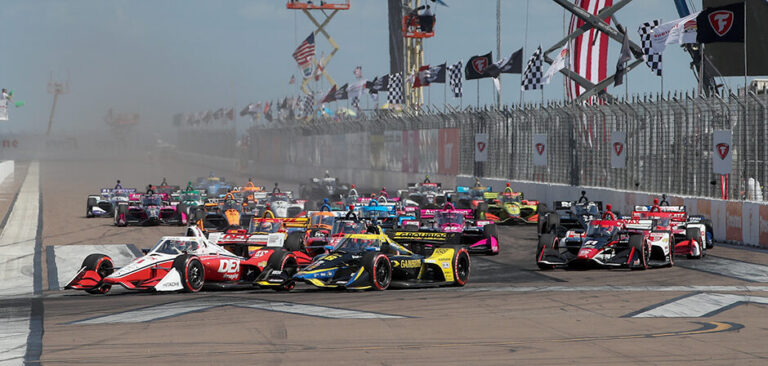
Due to ongoing global supply chain challenges with some hybrid system components, IndyCar is to delay the debut of its new, 2.4-liter, twin-turbocharged V6 engine with a spec hybrid system to the 2024 season. Following consultation with engine partners Chevrolet and Honda, the series says it will continue to use the current 2.2-liter units for the 2023 season.

“We are pleased with the pace of the technical development of the 2.4-liter, twin-turbocharged V6 hybrid as we prepare it for competition,” said IndyCar president Jay Frye. “We are very encouraged by the progress our team and our partners have made, but an immediate decision needed to be made to ensure we are prepared for the 2023 season utilizing our current 2.2-liter engine package.

“Thanks to our great partners at Honda and Chevrolet for working through this challenging supply chain situation. We are going full speed ahead with the 2.4-liter hybrid engine and cannot wait to have it on track in 2024.”

Development of the new powertrains has been underway for several years, having begun back in 2019, however, their introduction has been beset by delays, not least due to supply issues for the hybrid system (produced by Mahle) and transmission. The increased capacity ICE is targeted to produce 800bhp, with an extra 100bhp coming from the hybrid element.

“We are very excited to get the electrified era of IndyCar racing underway,” added David Salters, president and technical director, Honda Performance Development. “We have finished development and dyno testing of our new internal combustion engine, and once the hybrid system component supply chain issues are sorted, we’ll begin track testing of the new hybrid power unit.”

The first on-track test of the new 2.4-liter engines is due to take place at the end of March at Sebring, with development, testing and work to incorporate the hybrid component set to continue throughout the year.

Share. LinkedIn Twitter Facebook Email

Related Posts

New chassis and powertrain event to launch at Vehicle Tech Week North America 2026

May 6, 2026

AI-defined vehicles and expanded electrification shape Nissan’s future mobility strategy

April 20, 2026

911 GT3 S/C debuts as lightweight open-top driver’s car with 510ps flat-six engine

April 16, 2026
LATEST NEWS

Renault introduces LPG bi-fuel Clio that delivers up to 1,450km range

May 7, 2026

UK consortium secures funding for ReCAM lithium-ion battery recycling project

May 7, 2026

BorgWarner wins turbocharger contracts with two European OEMs

May 7, 2026

Receive breaking stories and features in your inbox each week, for free


Enter your email address:


Supplier Spotlights
  • Senior Flexonics
Featured Listings
  • There are currently no listings to show.
Getting in Touch
  • Contact Us
  • Media Pack
  • Meet the Editors
  • Free Weekly E-Newsletter
Our Social Channels
  • LinkedIn
Related UKi Topics
  • Automotive Interiors
  • Automotive Testing
  • Autonomous Vehicle
  • Professional Motorsport
  • Tire Technology
  • Media Pack
© 2026 UKi Media & Events a division of UKIP Media & Events Ltd
  • Terms and Conditions
  • Privacy Policy
  • Cookie Policy
  • Notice and Takedown Policy

Type above and press Enter to search. Press Esc to cancel.