
Close Menu
  • News
      • Appointments
      • EV Powertrain
      • Emissions
      • Engine Components
      • Electronics
      • Facility Developments
      • Forced Induction
      • Fuel Cell Technologies
      • Fuels & Lubricants
      • Heavy-duty & Diesel Engine Technologies
      • Hybrid Powertrain Technologies
      • Industry Forecasting
      • Legislation
      • Materials & Surface Treatment
      • Metallurgy
      • Mild-hybrid & 48V Technologies
      • New powertrain
      • Partnerships, Investments & Acquisitions
      • Quality Control
      • Prototyping
      • Sustainable fuels
      • Testing
      • Traction Control Systems
      • Transmissions Technologies
      • Webinars
  • Features
  • Online Magazines
    • April 2026
    • January 2026
    • September 2025
    • June 2025
    • March 2025
    • January 2025
    • September 2024
    • Subscribe to Automotive Powertrain Technology
    • Transmission Technology International
    • Subscribe to Transmission Technology
  • Opinion
  • Supplier Spotlight
  • Webinars
Facebook X (Twitter) Instagram
  • Automotive Interiors
  • Automotive Testing
  • Autonomous Vehicle
  • Professional Motorsport
  • Tire Technology
  • Media Pack
LinkedIn
Subscribe
Automotive Powertrain Technology International
  • News
      • Appointments
      • EV Powertrain
      • Emissions
      • Engine Components
      • Electronics
      • Facility Developments
      • Forced Induction
      • Fuel Cell Technologies
      • Fuels & Lubricants
      • Heavy-duty & Diesel Engine Technologies
      • Hybrid Powertrain Technologies
      • Industry Forecasting
      • Legislation
      • Materials & Surface Treatment
      • Metallurgy
      • Mild-hybrid & 48V Technologies
      • New powertrain
      • Partnerships, Investments & Acquisitions
      • Quality Control
      • Prototyping
      • Sustainable fuels
      • Testing
      • Traction Control Systems
      • Transmissions Technologies
      • Webinars
  • Features
  • Online Magazines
    1. April 2026
    2. January 2026
    3. September 2025
    4. June 2025
    5. March 2025
    6. January 2025
    7. September 2024
    8. Subscribe to Automotive Powertrain Technology
    9. Transmission Technology International
    10. Subscribe to Transmission Technology
    Featured

    In this Issue – April 2026

    By Web TeamMay 1, 2026
    Recent

    In this Issue – April 2026

    May 1, 2026

    In this Issue – January 2026

    December 3, 2025

    In this Issue – September 2025

    September 25, 2025
  • Opinion
  • Supplier Spotlight
  • Webinars
LinkedIn Facebook
Subscribe
Automotive Powertrain Technology International
Emissions

Nexcel active oil management system testing shows potential CO₂ savings

Sam PettersBy Sam PettersAugust 23, 20181 Min Read
LinkedIn Twitter Facebook Email
Nexcel active oil management system testing shows potential CO2 savings
Share
LinkedIn Twitter Facebook Email

Testing of the latest Nexcel active engine oil management system across three different engine types demonstrated the system’s potential to reduce CO₂ emissions by 2g/km. The reduction is delivered by ensuring a precise oil-engine match, helping the oil to warm up more quickly and boosting the oil’s active components in between oil changes.

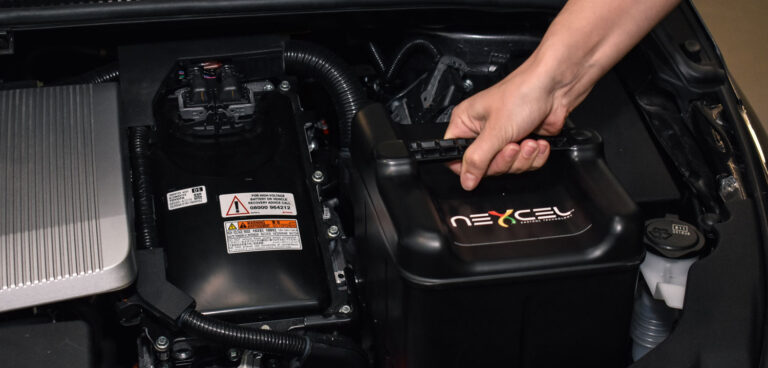
The active engine oil management system is an easy to change unit containing engine oil, a filter and an electronic control unit. The plug-and-play oil cell has been designed for flexible installation anywhere in a vehicle’s engine bay via a docking station.

Throughout testing, emissions improvements were recorded across several popular engine types, including conventional 2.0-liter gasoline, downsized 2.0-liter gasoline with GDi, and 2.0-liter diesel.

Nexcel is a self-contained, sealed cell that includes the correct grade of oil and specification of filter. Designed for flexible installation, it is managed by a dedicated electronic control unit that communicates with the vehicle via the standard databus.

An electric pump controls the flow of oil between the engine sump and the remote cell. Changing a Nexcel oil cell takes around 90 seconds and can be accomplished from the top of the engine bay without any mess or special equipment.

Share. LinkedIn Twitter Facebook Email

Related Posts

Marelli showcases latest propulsion and thermal management innovations

April 22, 2026

International’s S13 Integrated Powertrain achieves EPA 2027 compliance

January 8, 2026

Scania releases new combustion and PHEV powertrains for buses and coaches

September 18, 2025
LATEST NEWS

Renault introduces LPG bi-fuel Clio that delivers up to 1,450km range

May 7, 2026

UK consortium secures funding for ReCAM lithium-ion battery recycling project

May 7, 2026

BorgWarner wins turbocharger contracts with two European OEMs

May 7, 2026

Receive breaking stories and features in your inbox each week, for free


Enter your email address:


Supplier Spotlights
  • Dana Incorporated
Featured Listings
  • There are currently no listings to show.
Getting in Touch
  • Contact Us
  • Media Pack
  • Meet the Editors
  • Free Weekly E-Newsletter
Our Social Channels
  • LinkedIn
Related UKi Topics
  • Automotive Interiors
  • Automotive Testing
  • Autonomous Vehicle
  • Professional Motorsport
  • Tire Technology
  • Media Pack
© 2026 UKi Media & Events a division of UKIP Media & Events Ltd
  • Terms and Conditions
  • Privacy Policy
  • Cookie Policy
  • Notice and Takedown Policy

Type above and press Enter to search. Press Esc to cancel.