

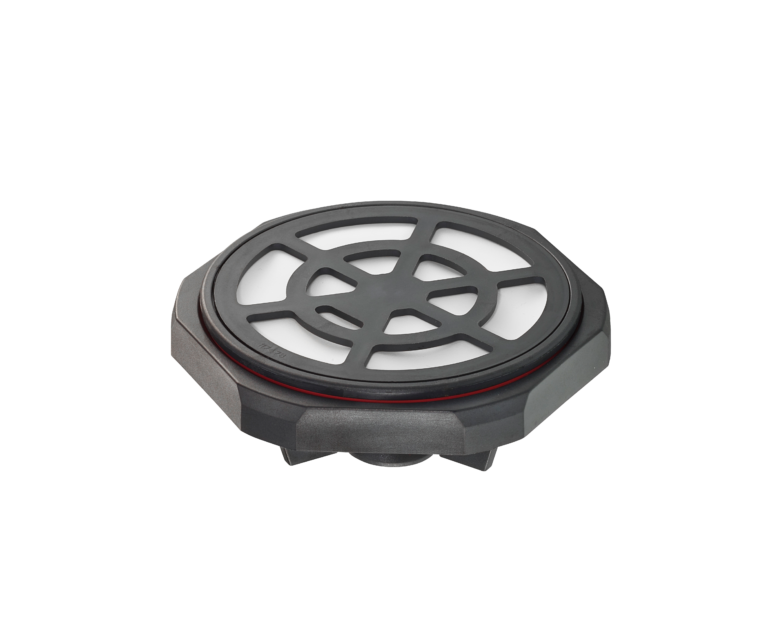
The cells that power BEVs are delicate and need to be protected from physical harm, the outside elements and thermal extremes. The battery pack serves as a physical protection barrier. However, a fully hermetic battery pack is not desirable and flow of gas in normal and exceptional conditions must be considered through battery valves.
Battery Breathing
Atmospheric pressure is always changing. It is affected by the weather, temperature and elevation. Normal atmospheric pressure at sea level is 1,013hPa but it can vary from 1,070hPa to 780hPa with altitude (2,000m), or even lower in plane cargo holds (750hPa). If the battery pack were to be sealed shut, it would hold a constant number of gas molecules, and the internal pressure of the battery pack would only vary depending on its temperature. Its pressure would therefore remain almost constant since the battery pack temperature is regulated.
The variations between inside and outside pressures would create mechanical strain on the battery pack structure. At a minimum, flat battery pack surfaces may alternate between convex to concave modes, resulting in disturbing ‘pocking’ noises that can be heard by passengers. In more serious cases, the structural integrity of the pack may be compromised due to the induced strain and fatigue from the pressure differential. With a pressure differential of 100hPa on 1m² of battery pack surface, the resulting force would be 1mT of pressure. Designing a battery pack strong enough to resist these forces is not a good engineering decision in terms of mass and cost.
The solution is to prevent this pressure differential from occurring in the first place, by using reliable breathing valves that allow gas molecules to flow in and out of the pack depending on the pressure differential dynamics, to always reach a pressure equilibrium. The breather valves must only permit the exchange of gas molecules and must avoid any ingress of water or dust particles. High-technology membranes that allow only gas to pass through are at the core of these elements.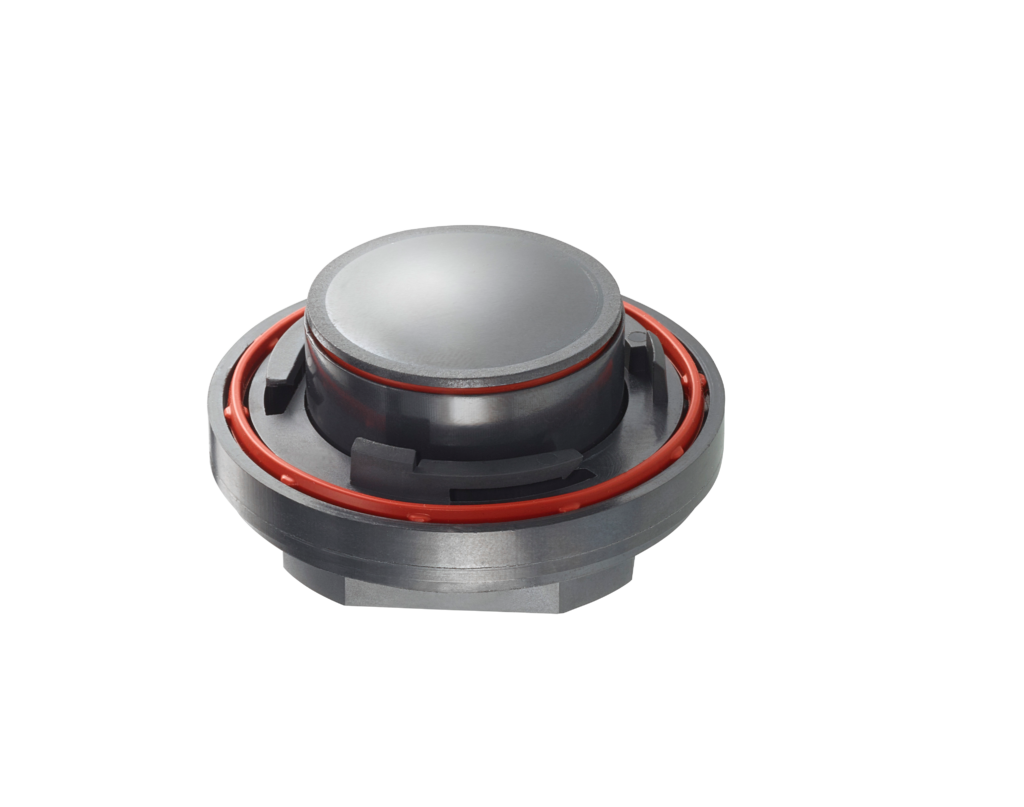
Battery Venting
As robust as Li-ion cells may be, there is always a risk of an internal short circuit occurring. This can come from a cell quality issue, degradation over time, poor thermal management or physical harm to the battery pack (such as a crash or perforation). These events are statistically unlikely, and their occurrence should be reduced as much as possible, but the possibility is always there and the consequences must be mitigated.
When a cell short-circuits, it releases its energy in a short time, causing a rise in temperature, melting of components, thermal reactions and a serious release of gases in a short timeframe. The failure of one cell is bad enough but there is a high risk that adjacent cells in the module and pack will be triggered and the issue will degrade into a thermal runaway.
The rapid pressure build-up of hot gases in the pack may cause an explosion. It is therefore essential to vent these gases outside as quickly, efficiently and safely as possible, with the use of venting valves assembled around the battery pack. The size, number and location of these must be defined to ensure optimal safety and efficiency. Their design must ensure reliable and swift opening at a clear pressure threshold, and a maximum flow rate when opened.
Solutions
As an automotive flow control specialist, Bontaz has a line of valves dedicated to battery packs. In addition to standalone breather valves and venting valves, dual valves combine both functions into one product. Finally, safe breather valves allow for breathing to the cabin or other sensitive areas to be completely shut off during an emergency to avoid toxic fumes in undesired locations.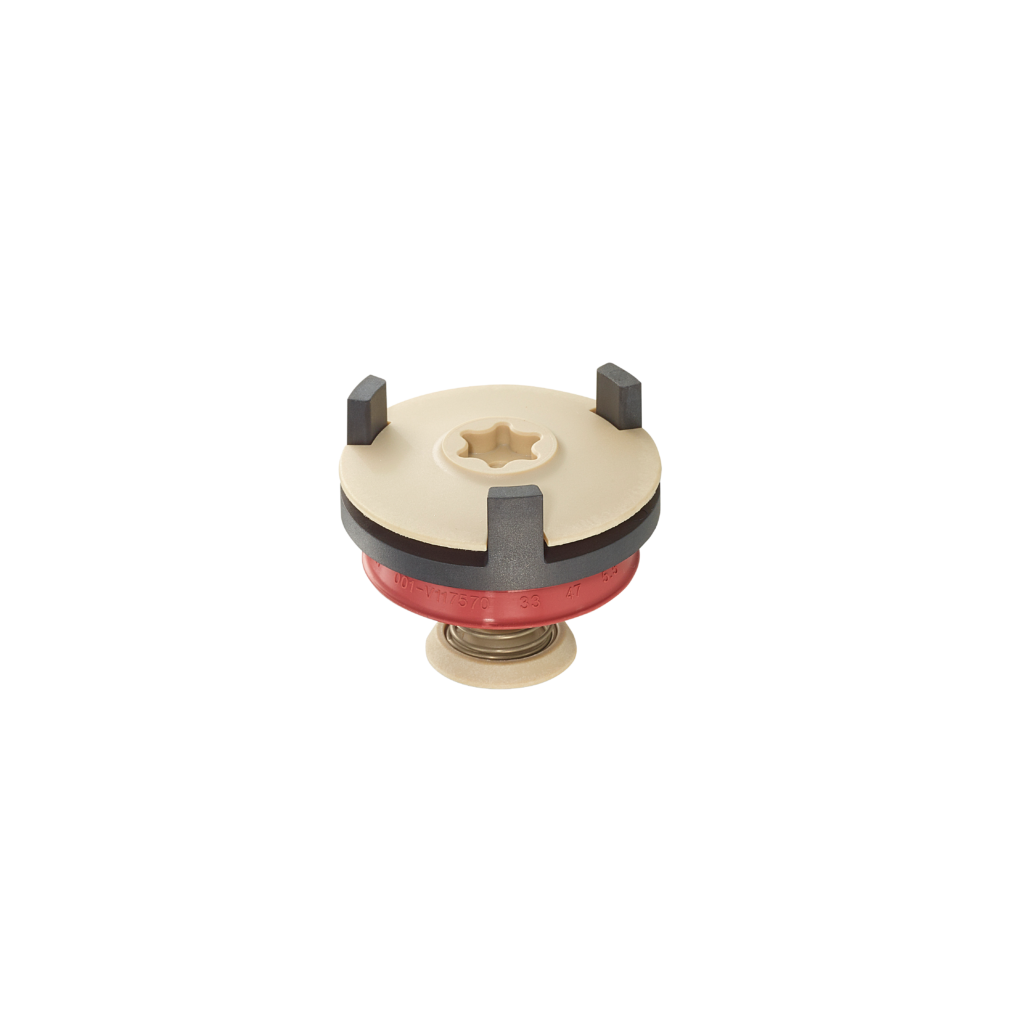
The piston technology allows for resealable venting valves, ensuring end-of-line functional testing in production and functional testing at the pack level after assembly. The pressure threshold of activation can be defined with precision from 50mbar. Subject to the elements, the battery valves are IP6k9k rated to prevent any ingress of water or dust.
Although standard products may be used, the best results are achieved by designing valves that match the exact operating conditions of the battery packs. The number of valves, their size and their mounting systems can be adjusted with different customization options. With Bontaz’s expertise in plastic injection, steel and aluminum, various materials can be considered.
With 40 million venting and breathing valves for BEV battery packs soon to be on the road, plus the company’s expertise and production capacity, Bontaz is the right partner for OEMs and battery pack manufacturers.