Close Menu
  • News
      • Appointments
      • EV Powertrain
      • Emissions
      • Engine Components
      • Electronics
      • Facility Developments
      • Forced Induction
      • Fuel Cell Technologies
      • Fuels & Lubricants
      • Heavy-duty & Diesel Engine Technologies
      • Hybrid Powertrain Technologies
      • Industry Forecasting
      • Legislation
      • Materials & Surface Treatment
      • Metallurgy
      • Mild-hybrid & 48V Technologies
      • New powertrain
      • Partnerships, Investments & Acquisitions
      • Quality Control
      • Prototyping
      • Sustainable fuels
      • Testing
      • Traction Control Systems
      • Transmissions Technologies
      • Webinars
  • Features
  • Online Magazines
    • April 2026
    • January 2026
    • September 2025
    • June 2025
    • March 2025
    • January 2025
    • September 2024
    • Subscribe to Automotive Powertrain Technology
    • Transmission Technology International
    • Subscribe to Transmission Technology
  • Opinion
  • Supplier Spotlight
  • Webinars
Facebook X (Twitter) Instagram
  • Automotive Interiors
  • Automotive Testing
  • Autonomous Vehicle
  • Professional Motorsport
  • Tire Technology
  • Media Pack
LinkedIn
Subscribe
Automotive Powertrain Technology International
  • News
      • Appointments
      • EV Powertrain
      • Emissions
      • Engine Components
      • Electronics
      • Facility Developments
      • Forced Induction
      • Fuel Cell Technologies
      • Fuels & Lubricants
      • Heavy-duty & Diesel Engine Technologies
      • Hybrid Powertrain Technologies
      • Industry Forecasting
      • Legislation
      • Materials & Surface Treatment
      • Metallurgy
      • Mild-hybrid & 48V Technologies
      • New powertrain
      • Partnerships, Investments & Acquisitions
      • Quality Control
      • Prototyping
      • Sustainable fuels
      • Testing
      • Traction Control Systems
      • Transmissions Technologies
      • Webinars
  • Features
  • Online Magazines
    1. April 2026
    2. January 2026
    3. September 2025
    4. June 2025
    5. March 2025
    6. January 2025
    7. September 2024
    8. Subscribe to Automotive Powertrain Technology
    9. Transmission Technology International
    10. Subscribe to Transmission Technology
    Featured

    In this Issue – April 2026

    By Web TeamMay 1, 2026
    Recent

    In this Issue – April 2026

    May 1, 2026

    In this Issue – January 2026

    December 3, 2025

    In this Issue – September 2025

    September 25, 2025
  • Opinion
  • Supplier Spotlight
  • Webinars
LinkedIn Facebook
Subscribe
Automotive Powertrain Technology International
Features

Engines on Test: Mercedes CLS 450 3.0 in-line six turbo

Sam PettersBy Sam PettersAugust 6, 20192 Mins Read
LinkedIn Twitter Facebook Email
Share
LinkedIn Twitter Facebook Email

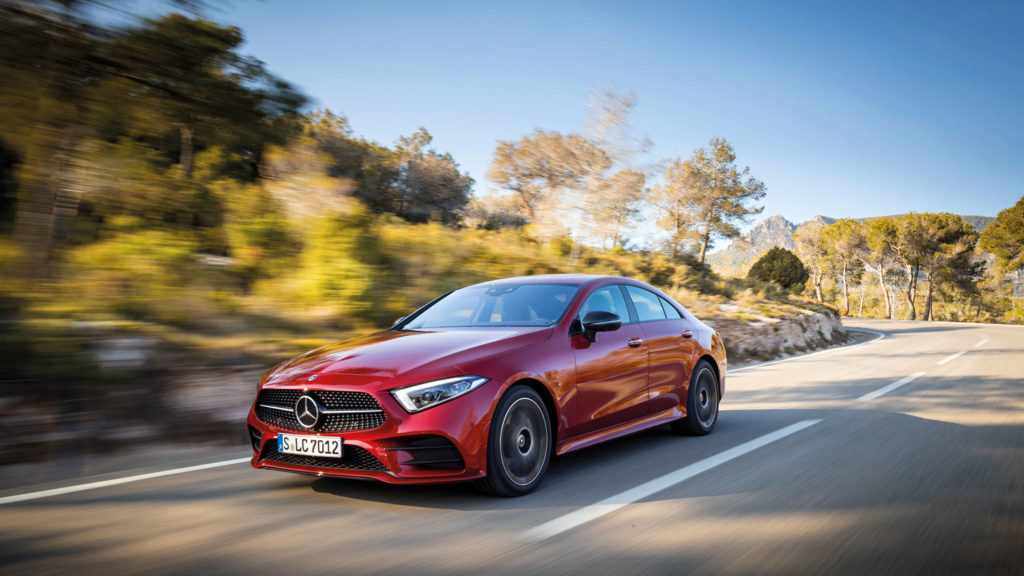
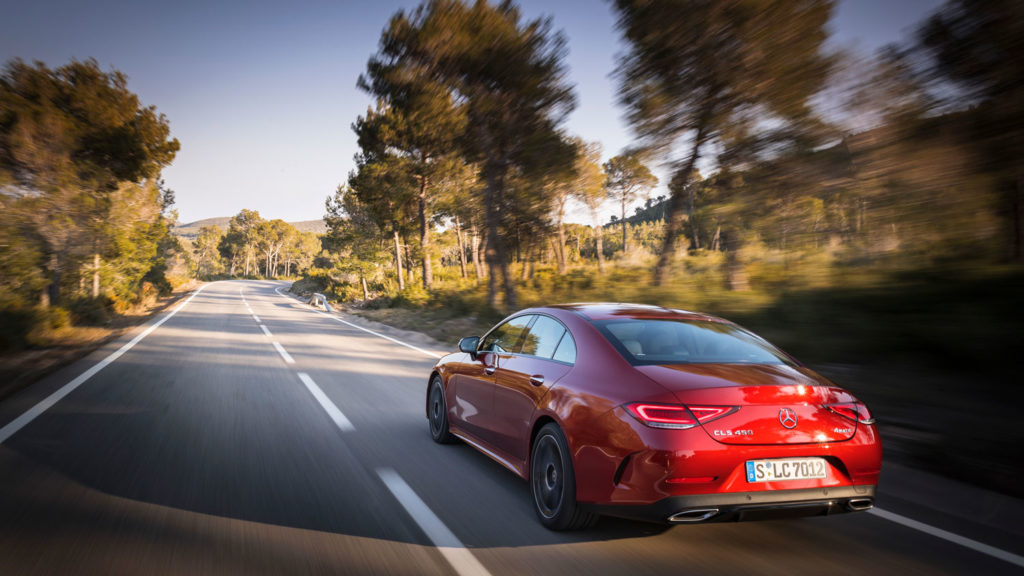
There’s a lot of pressure on the Mercedes-Benz CLS. When going up against the likes of the Audi A7 and Porsche Panamera there always will be, but pair that with the engineering burden of being of the first applications to feature M-B’s EQ Boost mild-hybrid technology and that weight of expectation soon becomes real.

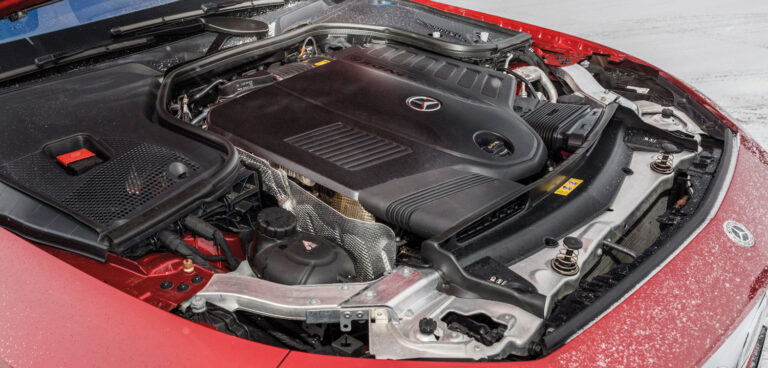
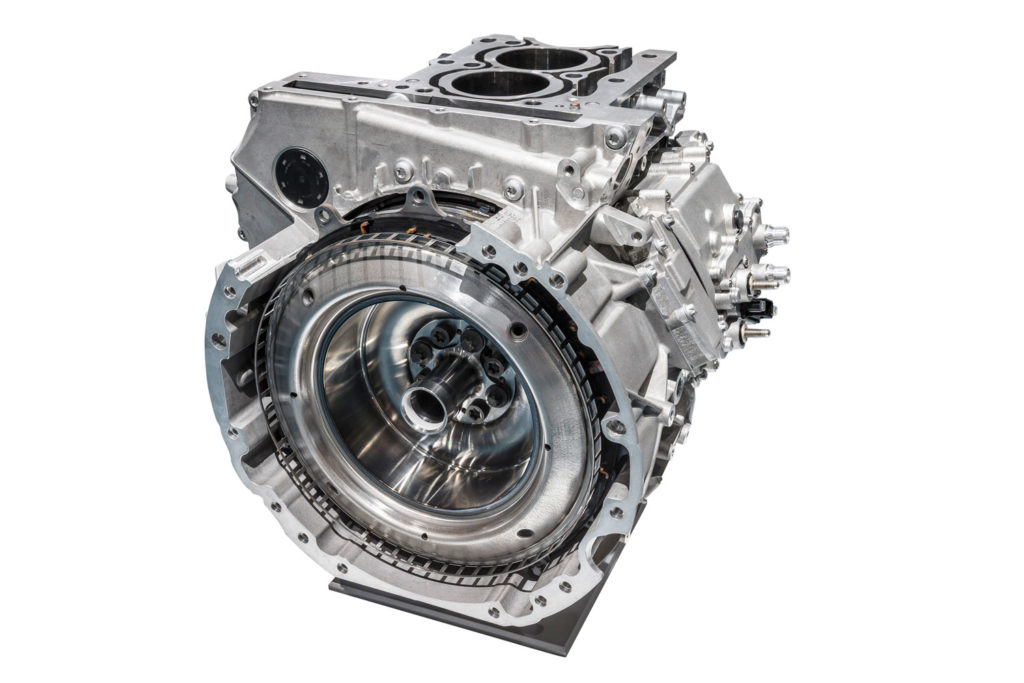
The lovely looking (and it really is a beautiful, stylish car when you think it’s ‘only’ an exec sedan) CLS 450 features a newly developed 3.0 six-cylinder twin-turbo gasoline engine, a 48V integrated starter-generator (ISG) and a lithium-ion battery. The ISG, which is placed been the IC unit and the 9-speed automatic transmission acts as both a starter motor and a hybrid assist motor, while also enabling kinetic energy recuperation.

From a power performance perspective, this means that the 2,999cc in-line six delivers 372ps and 500Nm torque – a good offering for a car of this size. But there’s more: the EQ systems chips in an additional 22ps and 250Nm, meaning that the CLS 450 is quick – 0-62mph in 4.8 seconds quick. Top speed is capped at 155mph (250km/h).

Mercedes argues that the EQ Boost system in the CLS – which shares much technology with the S-Class – makes fuel savings possible that were previously the exclusive domain of high-voltage hybrid technology. And while that works on paper, during our time with the 450 we couldn’t achieve the claimed 36.2mpg combined fuel consumption rating. Emissions out, however, are at an impressive 184g/km CO₂.

Perhaps the most telling thing about this powertrain is that 90% of the time most wouldn’t even realize that the 48V system is there. The IC motor and ISG combine seamlessly. Even when the CLS is sailing in eco mode, there isn’t an audible change in the engine note. EQ Boost just quietly goes about its business, giving a power nudge to the CLS 450 when needed.
Share. LinkedIn Twitter Facebook Email

Related Posts

Under the hood of the Porsche 911 Carrera Coupe and Cabriolet Reimagined by Singer

May 21, 2026

“Interest alone doesn’t guarantee adoption” – what next for BEVs?

May 14, 2026

Real-world validation in high-pressure motorsport sealing applications

May 13, 2026
LATEST NEWS

Ferrari unveils all-electric Luce

May 29, 2026

Scania under-cab battery module and Megawatt Charging System available for order

May 29, 2026

Maserati Nettuno engine transformed into 480kW hydrogen race unit

May 29, 2026

Receive breaking stories and features in your inbox each week, for free


Enter your email address:


Supplier Spotlights
  • The Battery Show and Electric & Hybrid Vehicle Technology Expo
Featured Listings
  • There are currently no listings to show.
Getting in Touch
  • Contact Us
  • Media Pack
  • Meet the Editors
  • Free Weekly E-Newsletter
Our Social Channels
  • LinkedIn
Related UKi Topics
  • Automotive Interiors
  • Automotive Testing
  • Autonomous Vehicle
  • Professional Motorsport
  • Tire Technology
  • Media Pack
© 2026 UKi Media & Events a division of UKIP Media & Events Ltd
  • Terms and Conditions
  • Privacy Policy
  • Cookie Policy
  • Notice and Takedown Policy

Type above and press Enter to search. Press Esc to cancel.