

Close Menu
  • News
      • Appointments
      • EV Powertrain
      • Emissions
      • Engine Components
      • Electronics
      • Facility Developments
      • Forced Induction
      • Fuel Cell Technologies
      • Fuels & Lubricants
      • Heavy-duty & Diesel Engine Technologies
      • Hybrid Powertrain Technologies
      • Industry Forecasting
      • Legislation
      • Materials & Surface Treatment
      • Metallurgy
      • Mild-hybrid & 48V Technologies
      • New powertrain
      • Partnerships, Investments & Acquisitions
      • Quality Control
      • Prototyping
      • Sustainable fuels
      • Testing
      • Traction Control Systems
      • Transmissions Technologies
      • Webinars
  • Features
  • Online Magazines
    • April 2026
    • January 2026
    • September 2025
    • June 2025
    • March 2025
    • January 2025
    • September 2024
    • Subscribe to Automotive Powertrain Technology
    • Transmission Technology International
    • Subscribe to Transmission Technology
  • Opinion
  • Supplier Spotlight
  • Webinars
Facebook X (Twitter) Instagram
  • Automotive Interiors
  • Automotive Testing
  • Autonomous Vehicle
  • Professional Motorsport
  • Tire Technology
  • Media Pack
LinkedIn
Subscribe
Automotive Powertrain Technology International
  • News
      • Appointments
      • EV Powertrain
      • Emissions
      • Engine Components
      • Electronics
      • Facility Developments
      • Forced Induction
      • Fuel Cell Technologies
      • Fuels & Lubricants
      • Heavy-duty & Diesel Engine Technologies
      • Hybrid Powertrain Technologies
      • Industry Forecasting
      • Legislation
      • Materials & Surface Treatment
      • Metallurgy
      • Mild-hybrid & 48V Technologies
      • New powertrain
      • Partnerships, Investments & Acquisitions
      • Quality Control
      • Prototyping
      • Sustainable fuels
      • Testing
      • Traction Control Systems
      • Transmissions Technologies
      • Webinars
  • Features
  • Online Magazines
    1. April 2026
    2. January 2026
    3. September 2025
    4. June 2025
    5. March 2025
    6. January 2025
    7. September 2024
    8. Subscribe to Automotive Powertrain Technology
    9. Transmission Technology International
    10. Subscribe to Transmission Technology
    Featured

    In this Issue – April 2026

    By Web TeamMay 1, 2026
    Recent

    In this Issue – April 2026

    May 1, 2026

    In this Issue – January 2026

    December 3, 2025

    In this Issue – September 2025

    September 25, 2025
  • Opinion
  • Supplier Spotlight
  • Webinars
LinkedIn Facebook
Subscribe
Automotive Powertrain Technology International
Heavy-duty & Diesel Engine Technologies

Independent testing shows Fersa’s FE Wheel Hub technology saves 3% on fuel

Lawrence ButcherBy Lawrence ButcherMarch 27, 20253 Mins Read
LinkedIn Twitter Facebook Email
Share
LinkedIn Twitter Facebook Email

Fersa, a developer of bearing solutions, has completed one year of intensive real-world testing of its Fuel Efficient (FE) Wheel Hub assembly system. The company says its analysis shows that the technology delivers at least 3% fuel savings for trucks towing trailers.

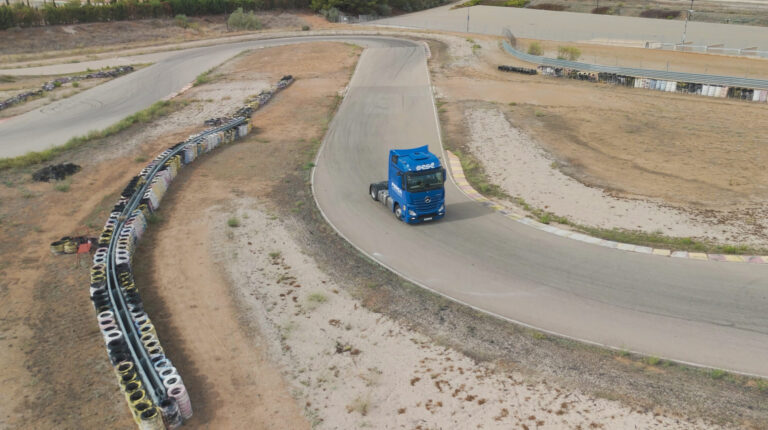
The study, independently validated by Maswer and TechnoPark MotorLand, spanned over one million kilometers across multiple continents, road conditions and environmental settings including demanding dusty terrains and wading situations. The testing program covered urban, interurban and long-distance highway conditions, mirroring the daily challenges fleet operators face. Vehicle applications included long-haul trucks, rigid trucks and truck-trailer combinations operating across high-traffic city routes and open-road cycles.

Testing results indicate that a single truck driving 150,000km per year consumes around 60,000 liters of fuel, costing approximately US$116,500 annually (at a diesel price of US$1.94 per liter). With a 3% fuel efficiency improvement, each truck using Fersa’s FE technology saves around 1,800 liters of fuel per year, equating to an annual cost reduction of US$3,495 per truck. Across a fleet of 100 vehicles, this amounts to an annual saving of US$349,500.

“The transportation industry is under immense pressure to reduce both costs and emissions,” commented Rafael Paniagua, CEO of Fersa. “Our Fuel Efficient technology is a game-changer, delivering validated savings on fuel consumption, lower CO2 emissions and a reduction in drivetrain friction of up to 50%.

“But this is just the beginning. We believe this technology has the potential to achieve even greater fuel savings. Our commitment to continuous optimization and real-world testing will further unlock its full potential.”

Fersa stated that fleet operators participating in the FE trials have reported noticeable improvements in their daily operations. Long-haul trucks benefitted from enhanced fuel economy on highways, while urban transportation fleets experienced reduced wear and tear in stop-and-go driving.

One of Fersa’s key trial partners was Sesé, a major European supply chain management firm with a fleet of more than 3,000 trucks. Carlos Giner, corporate director of transportation at Sesé, highlighted the impact of these improvements: “Every percentage of fuel savings translates into tangible cost reductions at our scale of operations. We are constantly looking for innovative solutions that enhance efficiency and support our sustainability goals without compromising performance.”
Independent testing shows Fersa’s FE Wheel Hub technology saves 3% on fuel

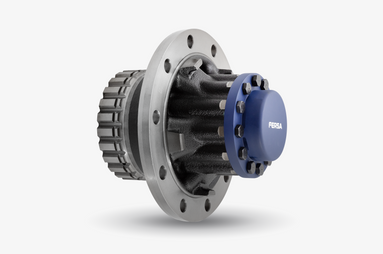
Fersa’s FE Wheel Hub assembly combines precision microgeometric refinements, high-performance materials and an optimized lubrication system to reduce rolling resistance and improve efficiency. By enhancing surface contact, minimizing energy loss and using advanced sealing materials, it delivers optimal fuel economy without sacrificing durability. Designed for industrial and commercial trucking, it offers high load capacity to withstand tough conditions, while premium lubrication technology ensures long-lasting, reliable performance under heavy loads.

“Unlike standard OEM solutions, our FE Wheel Hub assembly is engineered to minimize energy loss, meaning less resistance, less heat and ultimately less fuel burned,” said Sergio Santo Domingo, Fersa’s global R&D director. “By combining advanced bearing materials and precision engineering, we’re setting a new benchmark for fleet efficiency.”

Share. LinkedIn Twitter Facebook Email

Related Posts

TotalEnergies and Stellantis expand engine oil partnership

May 29, 2026

Mercedes‑AMG presents all-electric GT 4‑Door Coupe

May 21, 2026

Jaguar reveals Type 01 electric four-door GT

May 21, 2026
LATEST NEWS

TotalEnergies and Stellantis expand engine oil partnership

May 29, 2026

Mercedes‑AMG presents all-electric GT 4‑Door Coupe

May 21, 2026

Under the hood of the Porsche 911 Carrera Coupe and Cabriolet Reimagined by Singer

May 21, 2026

Receive breaking stories and features in your inbox each week, for free


Enter your email address:


Supplier Spotlights
  • Associated Spring
Featured Listings
  • There are currently no listings to show.
Getting in Touch
  • Contact Us
  • Media Pack
  • Meet the Editors
  • Free Weekly E-Newsletter
Our Social Channels
  • LinkedIn
Related UKi Topics
  • Automotive Interiors
  • Automotive Testing
  • Autonomous Vehicle
  • Professional Motorsport
  • Tire Technology
  • Media Pack
© 2026 UKi Media & Events a division of UKIP Media & Events Ltd
  • Terms and Conditions
  • Privacy Policy
  • Cookie Policy
  • Notice and Takedown Policy

Type above and press Enter to search. Press Esc to cancel.